


Intelligence agencies have uncovered a scheme by the ISI to incite India into attacking Bangladesh, aiming to attract global attention. The ISI-linked groups are spreading misinformation, alleging India’s support for ousted leader Sheikh Hasina and her party, the Awami League. This follows an anti-Hasina sentiment surge in Bangladesh post her removal, exploited by the ISI.
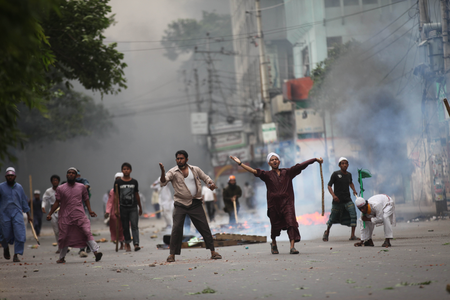
The situation worsened after Sheikh Hasina sought refuge in India, leading to chaos following Muhammad Yunus taking over the interim government. Reports indicate a rise in street violence and persecution of minorities, particularly Hindus, fueling anti-India sentiments. The ISI is accused of orchestrating these events to provoke India, with recent incidents, including a lynching, intensifying tensions.
Efforts to manipulate public opinion in India through viral videos aim to pressure the Indian government into military action against Bangladesh. Despite this, Indian officials emphasize a defensive stance to safeguard national integrity. The ISI’s alleged agenda includes disrupting the upcoming elections in February 2026 by creating unrest and portraying India as an aggressor on the global stage.
The situation escalates with targeted attacks, such as the shootings of student leaders, fueling further violence. Accusations against Awami League members for these incidents are used to tarnish Sheikh Hasina’s party’s image. The narrative propagated suggests India’s support for a party linked to violence, fostering anti-India sentiments akin to those seen in Pakistan, according to experts.
India faces a challenging scenario in managing its relations with Bangladesh, especially with the Awami League sidelined. Efforts to engage with the Bangladesh National Party (BNP) amid electoral complexities indicate a strategic shift. The ISI and Jamaat-e-Islami’s alleged motives to influence elections to prevent a pro-India government highlight the regional power dynamics at play.
