


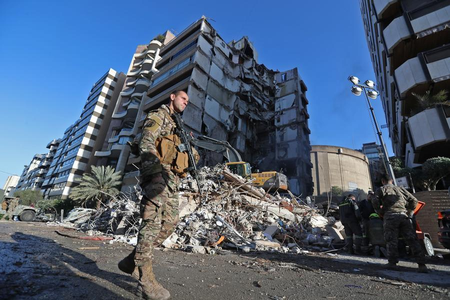
A 10-day ceasefire between Israel and Lebanon commenced at midnight between Thursday and Friday, as announced by US President Donald Trump. The ceasefire aims to halt a month-long deadly escalation between Israel and Hezbollah, resulting in over 2,000 casualties. Israel’s military disclosed striking more than 380 Hezbollah targets in southern Lebanon, including militants, launchers, and headquarters.
Israel’s rescue service reported that Hezbollah launched rockets into Israel just before the ceasefire, causing three injuries. Israeli Prime Minister Benjamin Netanyahu stated that a 10-km security zone in southern Lebanon will be maintained during the ceasefire, emphasizing security concerns and the opportunity for peace with Lebanon while demanding Hezbollah’s disarmament. Trump mentioned plans to meet Netanyahu and Lebanese President Joseph Aoun at the White House in the coming weeks, marking the first such meeting in 44 years.
Trump’s announcement of the ceasefire followed reports of rocket attacks and strikes between Israel and Hezbollah. Lebanon, though not in a formal war with Israel, faces repercussions due to Hezbollah’s actions. The ceasefire’s success hinges on Hezbollah refraining from further hostilities, with speculations that the group might cease attacks if Israel shows restraint. The agreement does not formally involve Hezbollah, but its compliance could determine the ceasefire’s longevity.
