


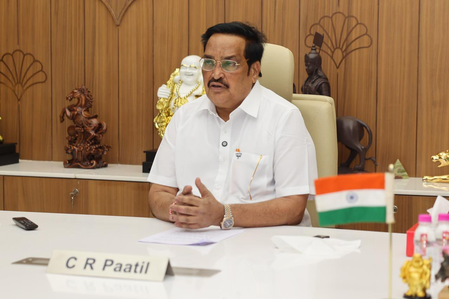
Jal Shakti Minister C.R. Paatil recently hosted the World Water Day Conclave 2026 in New Delhi. The event focused on innovation and collaboration for sustainable water management and efficient industrial use. With the theme “Industry for Water,” the conclave aimed to emphasize industry’s role in water-use efficiency, recycling, reuse, and innovation.
The gathering brought together policymakers, industry leaders, academia, startups, MSMEs, and young innovators to develop scalable, technology-driven solutions. The event, attended by 700 delegates, highlighted a shift where industries are moving towards becoming water stewards by adopting smarter and more sustainable practices. Paatil mentioned that the Jal Mahotsav, held from March 8 to March 22 this year, has transformed into a comprehensive national campaign under Prime Minister Narendra Modi’s guidance.
Paatil also discussed the operational guidelines of Jal Jeevan Mission 2.0 released during the conclave, focusing on structural reforms in rural drinking water services. The mission aims for regular and assured water services, accountability, and long-term sustainability. Initiatives like a service-based approach, water service assessment, digital mapping, and ‘Sujal Gram ID’ are seen as crucial steps towards empowering Gram Panchayats and communities.
During the event, reform-linked MoUs were signed with nine states, showcasing the strengthening cooperative federalism between the Centre and states for water management. The conclave highlighted the national resolve of the Jal Jeevan Mission, emphasizing public participation in water conservation efforts for a secure water future. Additionally, the event recognized innovative solutions in the water sector through the felicitation of Jal Shakti Hackathon winners.
State governments actively participated in the Census-focused session, marking the completion and release of major national water census reports. The event also included the release of various publications and reports related to water governance, underlining the significance of data-driven approaches in water management.
