


The Japanese government has officially revised its principles on the transfer of defense equipment and technology, permitting the overseas sale of weapons, including those with lethal capabilities. The revisions eliminate restrictions on defense equipment exports, dividing them into “weapons” and “non-weapons” categories based on their capabilities. This shift in policy allows the export of weapons like destroyers and missiles to countries with defense agreements with Japan.
The changes mark a significant departure for Japan, known for its pacifist stance since World War II. While the revisions prohibit arms exports to countries in active conflicts, exceptions can be made in special circumstances considering Japan’s security needs. The revised process now grants the National Security Council the authority to approve weapon exports without prior parliamentary consent, a move criticized by opposition parties.
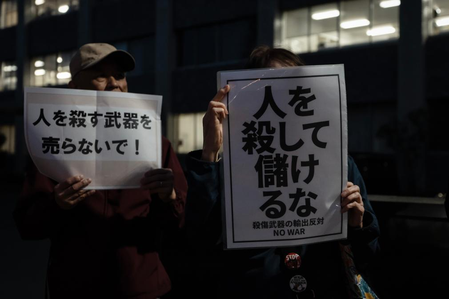
The revision has sparked widespread concern and criticism in Japan, leading to large-scale protests against the government’s decision. Protesters have voiced opposition to lifting the restrictions on arms exports, fearing Japan’s involvement in conflicts and arms proliferation. The revisions, coinciding with a spring festival at the controversial Yasukuni Shrine, have raised concerns about Japan’s historical militarism.
