


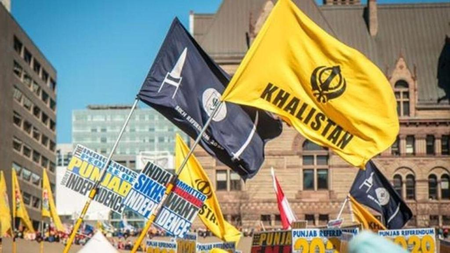
Justin Trudeau stepping down as Canadian Prime Minister has brought a significant change in India-Canada relations. During his term, ties between the two countries had worsened due to disagreements over the Khalistan issue. India had consistently asked Canada to act against pro-Khalistan groups on its soil, a matter often unaddressed by Trudeau due to domestic constraints. However, under Prime Minister Mark Carney, both nations have acknowledged the issue and the necessity to tackle it.
Both India and Canada now see Khalistani extremism as a threat to their national security. This altered perspective has led Khalistan-related groups to expand their operations beyond Canada, utilizing pressure groups and think tanks to amplify their agenda. Notably, the Baku Initiative Group (BIG), supported by Azerbaijan, has emerged prominently in this regard.
The BIG, known for anti-colonial activities, has shifted focus to organizing events that support separatist causes, aligning with Khalistani groups advocating for a separate Khalistan state. This strategic shift by Khalistan elements aims to sustain their activities amidst growing pressure, recognizing that traditional safe havens like Canada, the US, and the UK may no longer be secure.
Collaborating with the BIG, Khalistan-linked groups are intensifying efforts to raise their demands on global platforms. This partnership forms part of a broader strategy to maintain the relevance and visibility of the Khalistan movement, as highlighted by various international conferences and publications promoting their narrative.
The hosting of events like “The Baku Conference” and the publication of papers by the BIG reflect a concerted effort to internationalize the Khalistan cause and propagate an anti-India stance. These activities, supported by groups like Disinfo Lab, aim to enhance the movement’s reach and influence on a global scale, emphasizing alleged human rights violations against Sikhs in India.
