


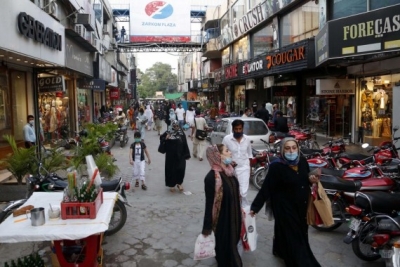
Pakistan’s major city Karachi is experiencing severe shortages of water and energy, leading residents to rely on purchasing water from corrupt tanker operators and using alternative power sources like UPS, solar panels, and generators. The situation has forced citizens to pay for their own security as well. Government agencies have been criticized for their lack of support, with gas rationing suddenly affecting Karachi. The city’s infrastructure is in disarray, with all roads in poor condition, suggesting a deliberate neglect of maintenance.
With the government’s absence felt, various groups are urging authorities to address Karachi’s rapid deterioration, fueled by a growing population due to both natural growth and migration. Calls have been made to empower the city’s residents and improve resource allocation to transform Karachi into a fully functional urban center. Suggestions include decentralizing power, enhancing governance standards, and focusing on infrastructure development to boost exports and economic growth.
Concerns have been raised about the need for additional administrative units to promote unity and efficiency. Emphasizing the importance of accountability and effective local governance, the focus is on revitalizing infrastructure, promoting exports, and positioning Karachi as a key player in Pakistan’s economic growth strategy. The city’s potential to drive export-led growth hinges on empowering local governance and investing in critical infrastructure upgrades.
