


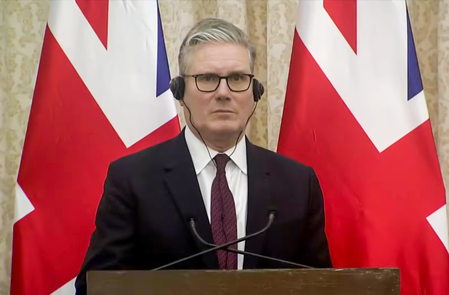
Keir Starmer announced his resignation as the British Prime Minister and leader of the Labour Party outside 10 Downing Street. He stated that he will continue as Prime Minister until a new Labour leader is selected in the upcoming weeks. Starmer mentioned that his decision to resign was influenced by his party’s assessment of his leadership capabilities for the next general election.
After securing a significant election victory in July 2024, Starmer has faced criticism for his government’s policies. Despite this, he expressed his commitment to improving Britain and creating a fairer society where everyone is valued and has access to wealth and opportunities. Starmer emphasized the importance of putting the country first and working towards a better future for all citizens.
Acknowledging the challenges he faced upon assuming leadership, Starmer reflected on the transformation of the Labour party under his guidance. He highlighted efforts to address issues such as antisemitism, rebuild trust in key areas like the economy and national security, and reaffirm the party’s values. Starmer’s tenure as leader marked a significant shift in the party’s direction and priorities.
Reports suggest that Starmer’s support has waned, leading to speculation about his replacement. Andy Burnham is considered a potential candidate to succeed Starmer, with growing support from MPs following his recent victory in the Makerfield by-election. The political landscape in the UK is evolving, with discussions on the future leadership of the Labour Party gaining momentum.
