


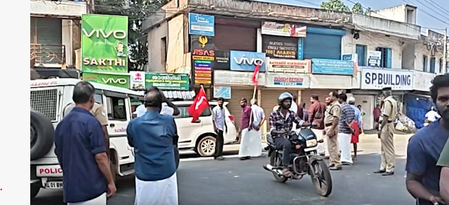
Kerala witnessed a virtual standstill on Thursday due to the nationwide Bharat Bandh protesting against the Centre’s new labor codes. The shutdown led to the closure of shops, markets, offices, and educational institutions, causing significant disruptions to daily life. Public transport services were severely impacted as buses, auto-rickshaws, and taxis remained off the roads, leaving many stranded.
The shutdown had a direct impact on daily wage earners, small traders, and street vendors who lost a day’s income. While the enforcement of the bandh was not forceful, organizers managed to persuade vendors to voluntarily shut down. Economic activities were minimal, with limited private vehicle movement in certain areas.
Despite the shutdown, the Kerala High Court operated as usual, and exemptions were made for Sabarimala pilgrims and the ongoing Maramon Convention. The bandh, organized by joint trade unions, aimed at withdrawing new labor codes and other related bills, alleging a threat to worker protections and job security.
Neighboring Tamil Nadu reported normal activities, highlighting Kerala’s unique shutdown tradition. Political activities continued uninterrupted in Kerala, with pre-election rallies by both ruling and opposition parties. The day brought financial losses, disrupted routines, and stalled commerce for ordinary citizens, reflecting the economic impact of a complete shutdown.
