


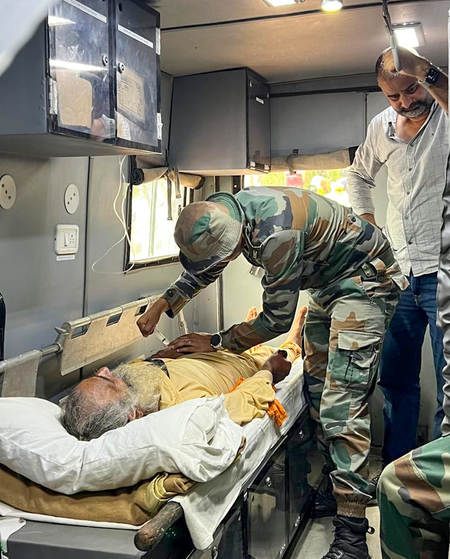
Kerala is witnessing a concerning increase in snakebite cases due to the escalating temperatures. Previously seen as a rural issue, snakebites have now become a widespread problem affecting various regions and age groups. In a single day, 23 individuals sought ambulance aid for snakebites, with many others reporting potential encounters.
From Alappuzha to Kozhikode, Malappuram to Thiruvananthapuram, snakes are venturing out of their habitats and entering human-inhabited areas. Experts attribute this behavior to the continuous spike in temperatures, which is driving snakes out of their burrows in search of cooler spots. Unfortunately, this quest for relief leads them to shaded yards, cluttered spaces, and even inside homes.
The human impact of these incidents is significant. In Kayamkulam, five individuals, including two children, were bitten by snakes. In Kozhikode, a young man realized he had been bitten upon finding a snake on his bed. Another alarming case involved a family discovering venomous snakes in their home, including one on a bed where children had been resting moments earlier.
Hospitals in Kerala have been prompt in their response, ensuring the availability of anti-venom serum and providing timely treatment. Fortunately, most victims are reportedly in stable condition, underscoring the importance of swift medical assistance. However, this surge in snakebites highlights the pressing need for readiness and preventive measures. Public education, improved waste and vegetation management around residences, and efficient response mechanisms are now imperative. As Kerala grapples with the heatwave, the key message is clear: adapting to the unforeseen risks accompanying rising temperatures is crucial, addressing each snakebite incident at a time.
