


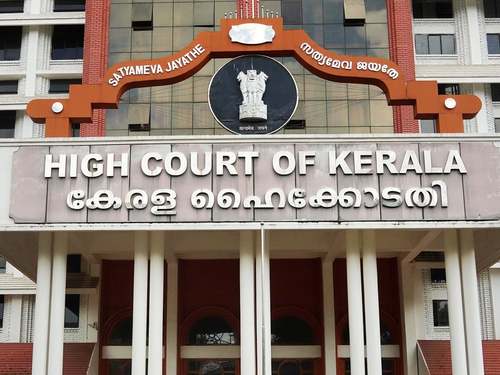
The Kerala High Court, in an interim order, has restrained the state Waqf Board from making significant decisions due to concerns about its current constitution not aligning with the Waqf Act. The court noted that the Board lacks mandatory non-Muslim members and a Shia representative as required by the law. Consequently, the Board is prohibited from taking major policy decisions, incurring capital expenditure, or making important administrative choices without court approval.
Pending a final decision, the Waqf Board will operate under the supervision of the Joint Secretary of the state government department handling Waqf matters. This directive was issued during the court’s review of four public interest litigations challenging the legality of the Board’s composition. Acknowledging deficiencies in the Board’s structure, the state government expressed readiness to reconstitute the Board in compliance with the law.
The court session revealed that the appointments of two non-Muslim members were delayed, with the Waqf Board admitting to the delay due to related issues before the Supreme Court. However, the Additional Solicitor General and petitioners disputed this claim, stating that no such cases were pending. The petitions argue that the Board’s formation does not adhere to the amended Waqf Act, with specific challenges raised regarding the inclusion of disputed land in the UMEED portal.
