


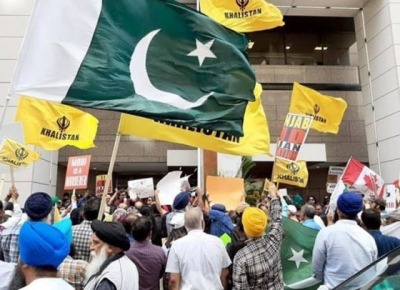
The Khalistan landscape, encompassing groups like Babbar Khalsa International (BKI) and Sikhs for Justice (SFJ), remains divided rather than unified in its political goals. Various factions, including those linked to Amritpal Singh, operate independently, each questioning the legitimacy of the others. A recent report highlights that these entities are influenced by external forces, not solely focused on Sikh welfare.
The report emphasizes that the recent statement by BKI chief Wadhawa Singh Babbar on the Operation Blue Star anniversary does not symbolize a call to action but rather exposes internal weaknesses. It points out that the Khalistan movement is in disarray, with different groups discrediting each other. Wadhawa Singh’s letter criticizes other pro-Khalistan groups, highlighting the lack of a cohesive strategy for achieving Khalistan.
According to the report, the fragmented nature of the Khalistan movement indicates a lack of unity and a tendency towards self-destruction. Wadhawa Singh’s call for support underscores the need for a modern plan and armed struggle to realize Khalistan. The report warns against falling into the trap of supporting a cause that may benefit external forces more than the Sikh community itself.
The report also acknowledges the significant contributions of the Sikh community to India, noting their roles as soldiers, entrepreneurs, athletes, and more. It emphasizes the inclusive traditions of Sikh institutions like langars and Gurdwaras, highlighting their positive impact on society. The report cautions against reducing the rich Sikh heritage to a violent, externally-driven agenda, calling for a focus on genuine advocacy for Sikh rights.
