


The Lashkar-e-Taiba, traditionally aligned with Pakistan, is experiencing internal discord due to diverging ideologies. Recent developments show a rift between the outfit and the Pakistan establishment, exacerbated by conflicting activities. The outfit’s reluctance to conform to certain policies has strained its relationship with the authorities.
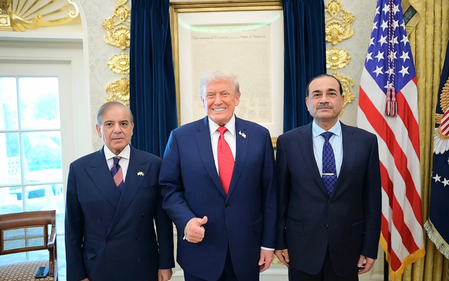
The Pakistan army is under pressure following US President Donald Trump’s invitation to join the Abraham Accords framework. Despite rejecting normalization with Israel, Pakistan faces challenges due to its historical anti-Israel stance. Balancing internal dissent and managing terror proxies poses a significant challenge for Pakistan.
Intelligence reports suggest that the Lashkar-e-Taiba’s loyalty is wavering, unlike other militant groups like Jaish-e-Mohammed. Post-Operation Sindoor, discontent grew within the outfit over perceived failures in safeguarding its interests. Collaborating with groups like ISKP against TTP and BLA further strained its traditional alliances.
The newfound alignment with the US has sparked discontent among hardliners and terror factions in Pakistan. Army Chief Asim Munir’s decisions are facing backlash, complicating Pakistan’s stance on the Abraham Accord. The pressure from the US is expected to persist, testing Pakistan’s diplomatic resolve.
As tensions escalate, the Lashkar-e-Taiba demands clarity from Pakistan on its foreign relations, particularly with the US and Israel. The outfit’s uncompromising stance on radical Jihad challenges Pakistan’s diplomatic balance. The leadership’s defiance, exemplified by Saifullah Qasoori’s threats, underscores the growing rift with the establishment.
