


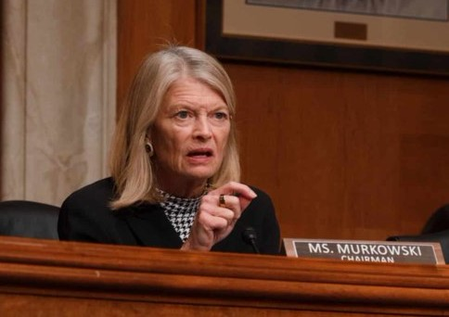
Concerns regarding the impact of a $100,000 H-1B visa fee have expanded from healthcare to education. Lawmakers are urging the Department of Homeland Security to provide relief for foreign teachers recruited to work in remote and underserved communities. Senator Lisa Murkowski highlighted the challenges faced by school districts in rural areas, similar to those in hospitals recruiting doctors from overseas.
During a Senate Appropriations Subcommittee hearing on the Department of Homeland Security’s budget request for fiscal year 2027, the focus was primarily on employment-based visas for doctors and healthcare shortages. However, Murkowski emphasized that educators are also experiencing workforce pressures, especially in isolated communities where local recruitment is challenging.
In a discussion with Homeland Security Secretary Markwayne Mullin, Murkowski expressed concerns about H-1B visas for teachers, echoing Senator Collins’ concerns for medical professionals. The need for more teachers in school districts was emphasized as a critical issue. Mullin, in response to Senator Collins, acknowledged the staffing shortages in remote areas and expressed the department’s willingness to explore potential solutions.
Senator Collins urged the administration to consider exemptions for doctors serving rural hospitals struggling to recruit qualified medical professionals. Mullin recognized the concerns about staffing shortages in remote communities and stated that the Department of Homeland Security was open to considering waivers on a case-by-case basis. He also mentioned the department’s readiness to review proposals aimed at enhancing the system.
While specific examples were not provided during the hearing, Alaska’s remote communities have traditionally recruited educators from outside the state to address shortages in schools serving sparsely populated regions. The H-1B visa program enables US employers to hire foreign professionals in specialized occupations requiring advanced skills or education, beyond just technology workers, including those in educational institutions, healthcare, and research organizations.
