


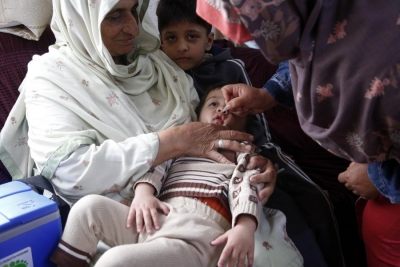
A recent study by UNICEF and Pakistan’s Ministry of National Health Services has highlighted a public health emergency in Pakistan. The study reveals that 40% of children aged 12 to 36 months in high-risk urban areas have lead in their blood. Cities like Lahore, Karachi, Peshawar, Quetta, and Rawalpindi are affected, with children facing severe health risks.
Lead exposure in children can lead to brain damage, growth issues, weakened immunity, and irreversible cognitive development alterations. The study emphasizes that there is no safe level of lead exposure for children. In some areas like Hattar, Haripur, nearly 90% of children tested showed elevated lead levels, indicating a widespread problem.
Children are absorbing lead at a rate up to five times higher than adults, with the youngest and most vulnerable being the most impacted. Common sources of exposure include industrial emissions, informal battery recycling, contaminated food, lead-based paints, and traditional cosmetics. The study calls for urgent action from the Pakistani government to address this critical issue.
Pakistan has acknowledged lead exposure as a national public health priority, but concrete measures need to be taken. The economic impact of lead exposure is significant, estimated to cost the country between 6.0 and 8.0% of its GDP annually. Despite existing regulations, enforcement and monitoring remain inconsistent, requiring a more coordinated and sustained response.
The study urges Pakistan to enforce industrial emissions standards more strictly, regulate recycling sectors, ban lead-based consumer products, conduct routine screenings of children in high-risk areas, and launch a nationwide awareness campaign. Addressing lead exposure is crucial to safeguarding children’s health and ensuring a healthier future for Pakistan.
