


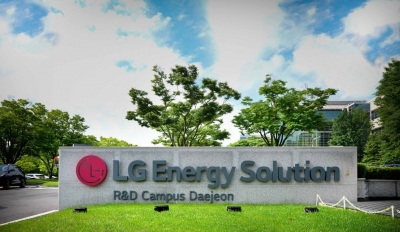
LG Energy Solution announced a shift to a net loss in the first quarter, amounting to 944 billion won ($635.8 million), compared to a net profit of 227 billion won in the previous year. This change was attributed to reduced sales of electric vehicle (EV) batteries to key customers and increased costs related to the initial setup of an energy storage system (ESS) plant in the United States. Operating profit also turned into a loss of 207.8 billion won from a profit of 374.7 billion won, with sales decreasing by 2.5 percent to 6.55 trillion won from 6.72 trillion won.
Chief Executive Kim Dong-myung revealed plans to repurpose some EV battery production capacity to produce ESS products in response to weakened demand from the automotive sector. As part of this strategy, a section of the EV battery production line at the Ultium Cells plant in Tennessee has been converted for ESS system manufacturing. The company aims to enhance the share of ESS and new businesses to around 40 percent, up from the current 20 percent, to create a more stable and diversified portfolio.
LG Energy Solution also disclosed its goal to enhance productivity by 50 percent by 2028 through artificial intelligence transformation (AX). CEO Dong-myung emphasized the significance of AX as a crucial step linked to the company’s long-term competitiveness and survival. He highlighted the competitive battery market landscape, noting rivals’ substantial investments in talent and robust government backing. Presently, LG Energy Solution operates eight battery plants globally, with plans for four additional plants in the U.S. to commence operations this year.
