


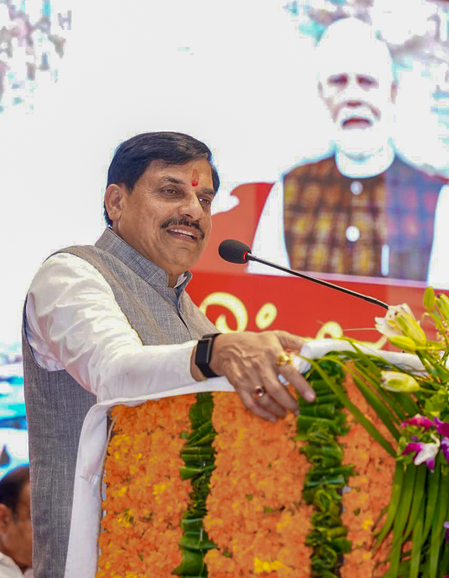
Madhya Pradesh has introduced the Solid Waste Management Rules, 2026, to establish a systematic approach for waste collection, segregation, recycling, and disposal in both urban and rural areas, as announced by Chief Minister Mohan Yadav. These rules, effective since April 1, are applicable to urban local bodies and government departments, aiming to enhance sanitation and alleviate landfill pressure amid increasing municipal waste volumes.
Households are now required to segregate waste into four categories – wet, dry, sanitary, and special care waste – before handing it over to authorized collection vehicles under the new regulations. Chief Minister Yadav emphasized the significance of public involvement in the state’s cleanliness initiatives, citing significant progress in cleanliness due to active citizen participation in response to Prime Minister Narendra Modi’s campaign. The implementation of the Solid Waste Management Rules, 2026, is expected to bolster scientific waste management and environmental conservation efforts in Madhya Pradesh.
The state government is also encouraging practices like home composting and establishing Reduce, Reuse, and Recycle (RRR) centers for items like old clothes and books. Citizens are being urged to reduce single-use plastic consumption by opting for cloth bags and reusable water bottles. Chief Minister Yadav instructed urban local bodies to ensure regular door-to-door waste collection from households, commercial establishments, and slum areas, emphasizing zero tolerance for non-compliance with the rules.
Yadav stressed the importance of collective responsibility in successfully implementing these regulations, emphasizing the need for every citizen, institution, and commercial entity to participate actively. By embracing the ethos of ‘My Waste, My Responsibility,’ Madhya Pradesh aims to create a clean, healthy, and sustainable environment for future generations. The government anticipates that these rules will enhance urban cleanliness, boost recycling efforts, reduce pollution, and establish an efficient waste management system statewide. Awareness campaigns are underway to educate the public on waste segregation norms and the operations of RRR centers.
