


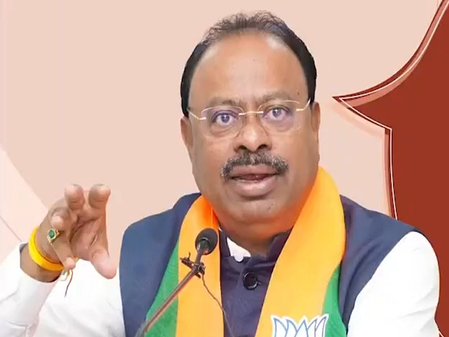
The Maharashtra State Assembly unanimously approved the Maharashtra Stamp (Amendment) Bill, 2026, aiming to decentralize administrative powers and speed up the clearance of a significant backlog of stamp duty refund applications. Minister Chandrashekhar Bawankule emphasized that the current centralized system necessitated citizens to travel to Mumbai even for moderate refund claims, causing substantial delays and bureaucratic hurdles. The bill introduces “micro-zoning” to set Ready Reckoner (RR) rates, transitioning from broad zone-based valuations to a more detailed, scientific method to rectify economic inequalities in property taxation.
Minister Bawankule revealed plans for the implementation of micro-zoning to commence from April 1, 2027, focusing initially on the Mumbai Metropolitan Region (MMR) and Pune, where notable socio-economic differences within small areas exist, such as in Worli, Parel, and Borivali. The new system will establish distinct rates for slums, Slum Rehabilitation Authority (SRA) projects, chawls, older non-redeveloped buildings, as well as industrial, commercial, and residential properties. Micro-zoning for RR fixation will later extend to the rest of Maharashtra.
Highlighting a flaw in the existing system where small houses, slums, and chawls near luxury towers are taxed at the same RR rate, Minister Bawankule emphasized that micro-zoning will enable differentiation between these structures within the same geographical zone. The government plans to utilize Geographic Information System (GIS) technology to map each property accurately, ensuring precise plot-wise and building-wise assessments instead of applying a uniform rate to entire streets or neighborhoods. The initiative aims to align RR rates more accurately with specific micro-market realities, benefiting low-income residents and ensuring fair valuation for high-end projects.
