


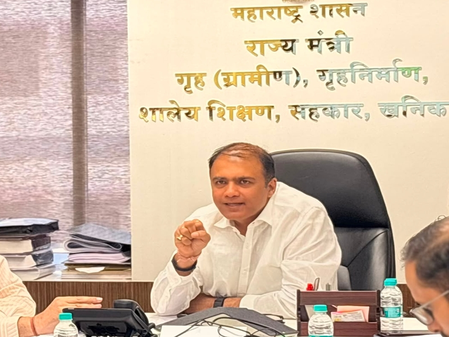
In a move against illegal cattle trafficking, Maharashtra Minister of State for Home Pankaj Bhoyar revealed plans to potentially revoke the registration of vehicles frequently involved in such activities. The state is actively enforcing the Maharashtra Animal Preservation Act and cracking down on organized cattle smuggling, with habitual offenders facing charges under the Maharashtra Control of Organised Crime Act (MCOCA).
Law enforcement agencies are closely monitoring cow protectors and complainants to disrupt illegal networks. Vehicles seized in cattle smuggling cases are currently released only by court order, but authorities have identified 17 instances of reused vehicles in similar offenses. To combat this, the Home Department, following Chief Minister Devendra Fadnavis’ directives, is drafting a proposal to permanently cancel the registration of these repeat-offending vehicles.
Highlighting enforcement efforts, Bhoyar mentioned that 1,195 cases related to cattle protection laws were filed in Maharashtra in 2025, resulting in the confiscation of 9,81,736 kg of beef. He also detailed a significant operation on the Mumbai-Pune Expressway where two container trucks carrying 57 tonnes of meat were intercepted, leading authorities to shut down an associated slaughterhouse in Hyderabad, Telangana, along with taking action against other illegal slaughterhouses in the region.
Under a Government Resolution issued in February 27, 2024, all livestock in Maharashtra must be tagged with a 12-digit barcoded ear tag linked to the centralised Bharat Pashudhan System. This digital database tracks breeding records, health history, and ownership changes to curb illicit trade. The Goseva Commission has implemented standard operating procedures to prevent unauthorized animal transportation and eliminate illegal slaughterhouses, with proposed legislative amendments to strengthen penalties and enforcement powers, enhance monitoring, and introduce CCTV surveillance at inter-state border check-posts.
To care for rescued cattle, Bhoyar mentioned plans to utilize funds from the Compensatory Afforestation Fund Management and Planning Authority (CAMPA) to develop pasture lands and public grazing fields in rural areas, improving fodder availability through collaborative efforts by various departments.
