


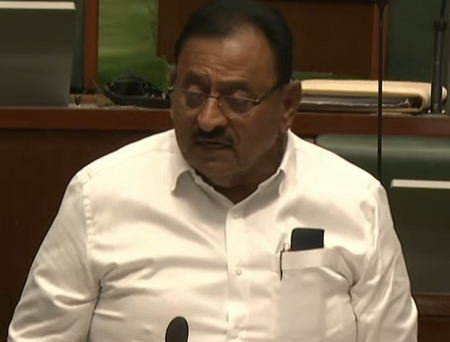
In a significant step to protect vulnerable farmers and borrowers from exploitation, the Maharashtra government has introduced a Bill to enhance penalties for illegal money-lending practices in the state. The Bill, presented in the State Assembly by State Cooperation Minister Babasaheb Patil, aims to amend the existing Maharashtra Money-Lending (Regulation) Act, 2014. These amendments are targeted at cracking down on illicit lenders and providing relief to distressed borrowers.
The proposed changes seek to increase the penalty for illegal money lending from the current five years to seven years of imprisonment in Maharashtra. Additionally, the fine is set to double from Rs 50,000 to Rs 1,00,000. Last week, both the Opposition and ruling party members in the Legislative Assembly strongly advocated for action against unauthorized private money lending.
Instances of illegal money lending have been surfacing across Maharashtra, with reports of excessive interest rates and aggressive debt recovery practices leading to farmer suicides in some areas. The state government’s decision to amend the existing Maharashtra Money Lending (Regulation) Act, 2014, comes in response to these concerns.
Under specific sections of the Act, provisions exist for imprisonment and fines to deter individuals operating money-lending businesses without a valid license, obtaining licenses under false names, or operating from unapproved locations. The government is modifying Section 39 to increase the prison term from “up to five years” to “up to seven years” and the fine from “up to Rs 50,000” to “up to Rs 1,00,000”.
In Section 41, Clause (c), the prison sentence will be raised from one year to up to three years, and the fine from Rs 15,000 to Rs 50,000. The Bill also includes amendments to extend the prison term in specific cases from “more than five years” to “more than seven years”. The original 2014 Act aimed to protect farmers-debtors from harassment, but repeated violations by unauthorized money-lenders have necessitated stricter measures.
The Bill emphasizes the need to enhance punishments for running money-lending businesses without valid licenses or engaging in transactions at unapproved locations. By strengthening these specific sections, the state government aims to ensure greater accountability and deter habitual offenders.
