


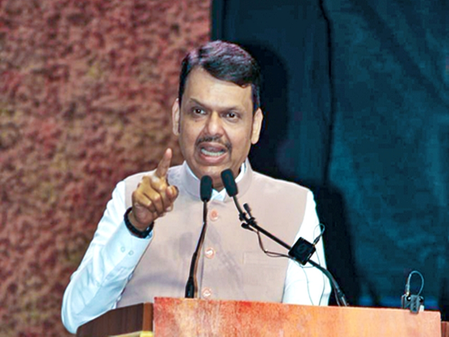
In a bid to improve road safety and modernize vehicle inspections, Chief Minister Devendra Fadnavis has instructed officials to expedite the setup of 53 Automated Testing Stations (ATS) across Maharashtra. These stations aim to ensure transparent and precise vehicle fitness certification, replacing the traditional manual inspection system. The directive came during a meeting at the Chief Minister’s official residence, ‘Varsha,’ attended by key officials including Transport Minister Pratap Sarnaik and Transport Commissioner Rajesh Narvekar.
According to a notification issued under Rule 62 of the Central Motor Vehicles Rules, all transport category vehicles in Maharashtra must undergo fitness tests exclusively at registered ATS starting from April 1, 2025. Currently, seven stations are operational, with plans for an additional 37 centers to be operational by August. The Chief Minister has urged officials to collaborate with various departments to address pending issues and launch the remaining centers promptly.
Recognizing the importance of timely completion, Chief Minister Fadnavis intervened to resolve delays in the establishment of automated testing centers. Due to these delays, the Central government had restricted ‘Vahan’ portal access for some transport offices in the state. However, following the Chief Minister’s intervention, these restrictions have been lifted, easing the process for vehicle owners and transporters. With approximately 4.33 crore vehicles in Maharashtra, including 36.80 lakh in the transport category, around 9 lakh vehicles will require mandatory fitness testing annually.
The implementation of the ATS system will revolutionize vehicle inspections by automating and computerizing the process, ensuring transparency and accuracy. Maharashtra is at the forefront of national infrastructure development, with 53 out of the 214 planned ATS centers in India to be located in the state. The project, with an estimated cost of Rs 1,035 crore for five years of operation and maintenance, has received a grant of Rs 337.74 crore from the Central government to support this initiative.
