


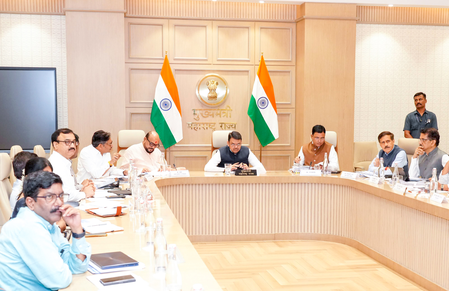
The Maharashtra Women Farmers Empowerment Bill, 2026, is set to be presented during the upcoming Monsoon Session in Maharashtra. Chief Minister Devendra Fadnavis has instructed officials to develop a comprehensive policy to protect the rights of women farmers and enhance their overall empowerment. Fadnavis highlighted that over 81% of Maharashtra’s agricultural workforce comprises women, yet existing agricultural policies predominantly cater to men.
The proposed bill aims to grant legal recognition to women farmers, ensuring they are acknowledged as independent farmers. It seeks to include women involved in various agricultural activities like fisheries, livestock rearing, and poultry farming, who are often not classified as farmers due to land ownership requirements. The legislation also intends to establish support systems for women farmers, providing them access to credit, technology, markets, and crucial services.
CM Fadnavis stressed the importance of incorporating all feedback into the final draft of the bill. He emphasized the need for the legislation to encompass a wide range of agricultural activities beyond traditional farming, such as animal husbandry, beekeeping, and horticulture. Additionally, the bill should cater to landless farmers, tenant farmers, agricultural laborers, and migrant workers, ensuring their inclusion and welfare.
A key focus of the bill is the establishment of a digital system to facilitate women farmers’ access to government schemes, loans, subsidies, and agricultural resources. It also proposes the creation of a dedicated “Maharashtra State Women Farmers Fund” to empower women in agriculture. Fadnavis suggested the formation of a robust institutional framework at various administrative levels to effectively implement the law and monitor its progress.
The Chief Minister recommended the formation of a State-Level Monitoring Committee, led by the Chief Secretary, to supervise the bill’s implementation and track its impact. This legislation is envisioned as a significant stride towards providing independent identity, rights, and opportunities to millions of women farmers in Maharashtra. It is poised to set a new standard for gender equality within the agricultural domain.
