


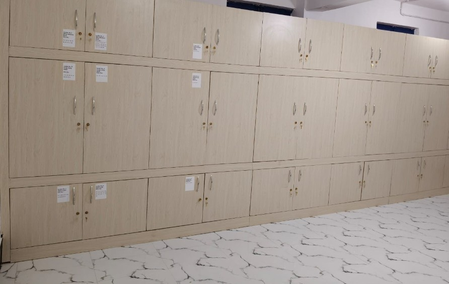
Manipur Police have launched the ‘E-Malkhana’ system to enhance the management of seized property and case exhibits at police stations. This digital initiative aims to improve storage, tracking, and disposal processes, ensuring transparency and efficiency in police station operations. The Malkhana at Irilbung Police Station in Imphal East district has been upgraded to an ‘E-Malkhana’ under this new system.
The initiative, led by Imphal East district Superintendent of Police Shivanand Surve and Police Pooja Malani, both IPS officers, focuses on modernizing police infrastructure and strengthening evidence management practices. The E-Malkhana system facilitates scientific storage, proper management, and easy retrieval of case properties and exhibits. Each item is assigned a unique barcode with detailed information for efficient monitoring and management.
This system promotes systematic documentation, transparency, and better preservation of case properties through digital record management. It minimizes the chances of misplacement, duplication, and procedural delays associated with traditional record-keeping methods. The initiative has significantly enhanced Malkhana management efficiency, marking a significant advancement in adopting modern technology in police station administration.
The term ‘Malkhana’ originates from the Persian words ‘Mal’ (property) and ‘Khana’ (space), referring to the facility within a police station for storing seized property. Proper preservation and management of evidence and seized property are crucial for fair investigations and successful prosecutions. Effective management of evidence is vital for a law enforcement agency’s service quality to the criminal justice system, preventing legal complications and maintaining public confidence.
Incidents of theft, pilferage, and destruction of seized property due to unsatisfactory storage practices can damage the reputation of law enforcement agencies. Improper storage of hazardous materials has even led to accidents within Malkhanas, emphasizing the need for scientific and technology-driven management systems.
