


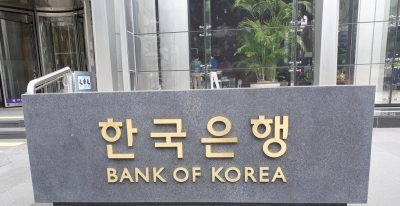
Market interest rates may experience significant upward pressure if the Middle East conflict persists, warned South Korea’s central bank. The Bank of Korea (BOK) highlighted concerns about rising inflation and global monetary tightening due to ongoing tensions in the region. The conflict, triggered by U.S.-Israeli strikes on Iran, has led to broader regional turmoil, impacting various economic aspects.
The BOK emphasized that prolonged tensions in the Middle East could result in higher market interest rates, driven by escalating oil prices and supply-side inflationary pressures. The closure of the Strait of Hormuz has disrupted global energy supplies, affecting countries like South Korea, which heavily relies on Middle Eastern oil imports. This situation could lead to increased volatility in foreign exchange and financial markets.
The central bank also expressed worries about the impact of the conflict on corporations, citing potential challenges such as higher energy costs affecting profitability and debt repayment capacity. The BOK urged enhanced monitoring and risk management in foreign exchange and financial markets, emphasizing the need for coordinated efforts to stabilize markets if required. Analysts anticipate the central bank to maintain its current interest rate stance to support financial stability.
