


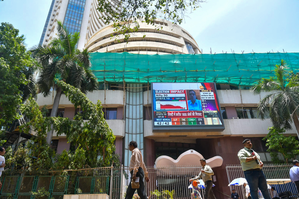
As the government gears up for the Union Budget 2026-27, historical data from 2010-2022 indicates that markets tend to trade lower before the event due to concerns about policy surprises. However, post-budget, there is often a rebound, with an average gain of 1.36 percent in the following week, according to market analysts.
This pre-budget dip is linked to increased volatility, with an average intraday trading range of 2.65 percent on budget day itself, experts noted. Over the last 15 years, the Nifty has shown a negative average return of -0.52 percent one week before the budget, closing higher only on 8 occasions.
The trend of negative returns in the month leading up to the budget aligns with recent years, with Nifty recording losses in four out of the last five years, including a decline in January 2025. Expectations for the Union Budget 2026 revolve around achieving a balance between fiscal prudence and growth stimulus amid global challenges such as US tariffs.
Key expectations include a focus on increased capital expenditure in sectors like Infrastructure, Defence, and Railways to safeguard the economy from external pressures, along with a potential rise in defence spending. Industry bodies are advocating for support for sectors like MSMEs, manufacturing, green energy, AI, and exports through measures like expedited GST refunds and investments in logistics.
The projected fiscal deficit stands at 4.4 percent of GDP, with a strong emphasis on job creation, rural demand, and sustainable development to drive India towards a $5 trillion economy. However, market reactions could be influenced by various risks, including high volatility on budget day, potential sell-offs if stimulus measures are inadequate, and geopolitical or trade disruptions.
Concerns such as overvaluation, FII outflows, and the possibility of an AI bubble burst pose additional challenges that could hinder Nifty’s progress towards 29,000 in 2026. Investors are advised to maintain cash reserves until there is clarity post-budget, focusing on sectors like defence and PSU Banks for specific investment opportunities.
CareEdge Ratings anticipates that the fiscal deficit to GDP ratio will be maintained at 4.4 percent in FY26, with expectations of a budgeted fiscal deficit of 4.2-4.3 percent in FY27. Gross borrowing for FY27 is estimated to range between Rs 16-17 trillion, with net borrowing likely around Rs 11.5-12 trillion.
