


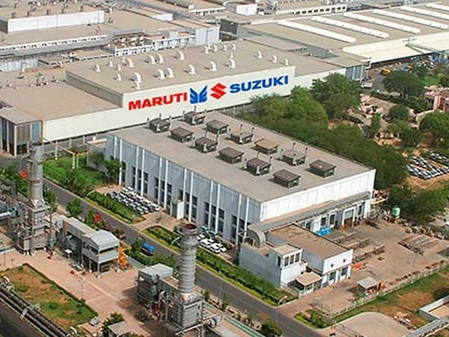
Leading automaker Maruti Suzuki India has activated a 1 MWh Battery Energy Storage System (BESS) at its Kharkhoda plant in Haryana to enhance renewable energy usage and cut down on carbon emissions. The BESS has been linked to the plant’s internal electricity network on a trial basis to maximize the use of solar power generated on-site. In 2025, the company had set up a 20 MWp solar power project at the same facility.
During periods of low demand like plant holidays, the electricity produced by the solar setup could not be fully utilized. The newly operational BESS will store excess electricity generated during such times and release it as needed. Maruti Suzuki anticipates that the system will also enhance grid stability.
Maruti Suzuki’s Managing Director and CEO, Hisashi Takeuchi, revealed that the BESS introduction at the Kharkhoda site is part of the company’s ongoing initiatives to support India’s development of a self-sufficient green energy environment. The BESS, with a lifespan of approximately 15 years, is projected to help reduce around 54 tonnes of CO2 emissions annually. The company aims to increase production volumes while remaining dedicated to lowering Scope 1 and Scope 2 emissions in terms of carbon intensity and absolute emissions from manufacturing activities.
