


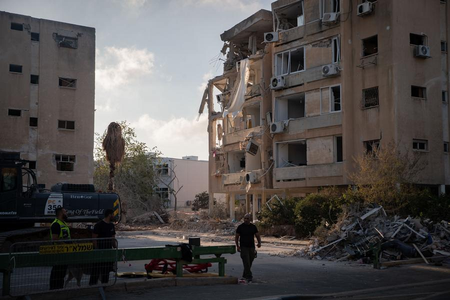
Tehran experienced significant explosions on Saturday following Israel’s launch of “preventive” missile strikes against Iran, intensifying tensions in the region. The strikes occurred amidst increased strain between the United States and Iran regarding a potential nuclear agreement and concerns about a broader military conflict in the Middle East. Multiple missiles targeted areas along University Street and in the Jomhouri district of the Iranian capital.
Thick smoke billowed from near Pasteur Street in downtown Tehran, where essential government buildings are located. The extent of the damage and any potential casualties remained uncertain. In anticipation of potential retaliation, Israel activated air raid sirens in various parts of the country as a precautionary measure to alert the public to the possibility of missile launches towards Israel.
Sirens were heard in different areas of Israel as authorities cautioned about potential incoming attacks. As a safety measure, Israel instructed nationwide school closures, recommended working from home, and enforced a ban on public gatherings to protect civilians. The military’s alert actions aimed to ensure civilian safety in case of retaliatory missile strikes from Iran or its allies, occurring at a delicate diplomatic juncture.
US President Donald Trump previously characterized Iran as “very difficult” and “very dangerous.” Diplomatic discussions between Iranian and US officials took place in Geneva, with further talks scheduled for Saturday. From 2024 to 2025, a longstanding conflict between Israel and Iran evolved into direct military confrontations, featuring significant aerial strikes and reciprocal missile attacks, signaling a dangerous shift from indirect hostilities to open warfare.
