


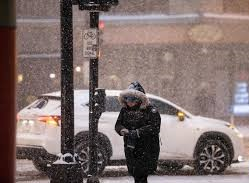
A winter storm has swept across a large part of the United States, bringing heavy snow and ice, extremely low temperatures, and power outages affecting tens of thousands of homes. Over 190 million people, more than half of the US population, were under winter weather alerts in 37 states, with snow and freezing rain hitting regions from New Mexico to New England. The storm has led to dangerous cold in central and eastern US, with wind chills dropping to minus 20s and minus 30s in some areas, and temperatures well below seasonal averages.
The severe weather conditions have caused power outages as ice and heavy snow have damaged infrastructure and power lines, leaving more than 132,000 homes without electricity across the country. Texas, Louisiana, and New Mexico were among the hardest-hit areas, with Texas reporting over 57,000 customers without power and Louisiana facing more than 45,000 outages. The storm has also disrupted travel significantly, with over 9,000 flights canceled nationwide over the weekend, particularly affecting airports in Dallas-Fort Worth, Charlotte, and Nashville.
Emergency declarations have been issued in at least 20 states, including Texas, New York, New Jersey, and Virginia, as well as in Washington, D.C. President Donald Trump has approved federal emergency declarations for multiple states, enabling FEMA to provide assistance for emergency work. National Guard units from 12 states have been activated to help clear roads, assist stranded motorists, and support local communities during the storm.
In South Carolina, residents have been warned to prepare for prolonged power outages, with Governor Henry McMaster stating that some areas could be without electricity for several days due to heavy ice accumulation. Virginia Governor Abigail Spanberger has described the storm as potentially “catastrophic,” emphasizing the risks of heavy snow, significant ice, and extended power outages even after the precipitation ends. Federal offices in the Washington, D.C. region have been closed, with maximum telework in effect, and public transportation systems have been shut down in anticipation of hazardous conditions.
Authorities have expressed concerns about the resilience of the US power grid, particularly in Texas, prompting the US Department of Energy to issue an emergency order authorizing the deployment of backup generation resources to prevent widespread blackouts. Energy Secretary Chris Wright mentioned that efforts were being made to utilize all available power generation during the storm, as reliability monitors warned of strains on the national grid due to extreme weather and high winter demand. Utilities nationwide have mobilized thousands of workers to expedite power restoration efforts.
Despite the challenges posed by the storm, forecasters anticipate gradual improvements in conditions next week, although snow and cold weather may persist in parts of New England and around the Great Lakes. Authorities advise people to stay home whenever possible, limit travel, and prepare for extended disruptions as the storm progresses eastward.
