


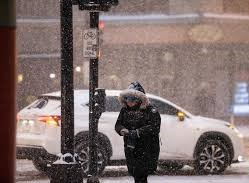
A massive winter storm in the United States has wreaked havoc, leaving over a million people without power, disrupting tens of thousands of flights, and resulting in several fatalities. The storm, spanning from the South to the Northeast, brought dangerous cold and heavy snow, leading to widespread outages and travel chaos. States like Tennessee, Mississippi, Louisiana, Texas, and Georgia have been hit hard, with more than a million customers facing electricity disruptions.
In Tennessee, the situation is critical, with over 300,000 customers facing power outages due to ice damaging trees and utility poles. Nashville Electric Service has warned of prolonged outages, highlighting the extreme danger faced by repair crews. The storm has also severely impacted air travel nationwide, causing chaos with over 30,000 flights disrupted since Friday, including more than 18,000 cancellations.
Emergency officials have issued urgent warnings for residents to avoid traveling on roads due to hazardous conditions caused by snow, sleet, and freezing rain. The storm has led to severe traction loss, limited visibility, and rapid surface refreezing, prompting over 300 weather-related crashes and thousands of calls for help. Cities and states have responded by closing schools, courts, and government offices, with major districts shifting to remote learning or canceling in-person classes.
The toll from the storm is rising, with confirmed deaths attributed to the cold weather. Tragic incidents include hypothermia-related deaths in Texas and Louisiana, with additional fatalities under investigation in New York City. To address the strain on the power grid, the US Department of Energy has issued emergency orders allowing grid operators to deploy backup generation to prevent blackouts amid surging demand and extreme cold.
Meteorologists warn that the massive storm system, stretching over 2,000 miles from New Mexico to Maine, continues to pose threats with Arctic air and dangerous moisture. While some areas may see snowfall decrease, the lingering cold remains perilous, especially for those lacking adequate heat or shelter. Northeastern cities have recorded significant snowfall, with New York City’s Central Park receiving nearly nine inches and Pittsburgh experiencing its snowiest day in over 15 years.
Officials emphasize the heightened risk to vulnerable populations due to prolonged outages and extreme cold. Warming centers and shelters have been opened urgently by federal and state agencies to safeguard those in need as the storm progresses eastward and temperatures remain dangerously low.
