


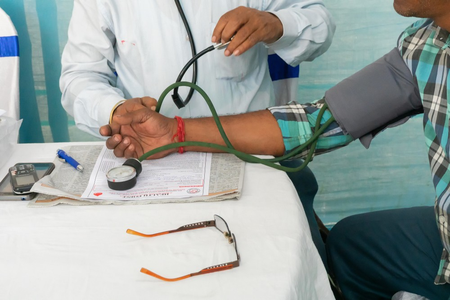
Micro hospitals, offering specialist-led coordinated care and reduced wait times, are seen as vital in combating the increasing prevalence of non-communicable diseases (NCDs) in India. NCDs like diabetes, hypertension, cancer, and obesity impact millions in the country and account for 63% of all deaths, according to WHO data.
The healthcare system is under strain due to the escalating burden of NCDs. With just 0.55 hospital beds per 1,000 people, significantly below the WHO’s recommended 3 per 1,000, facilities face overcrowding, long wait times, and inconsistent care quality.
Dr. Jagdish Prasad, Former Director General Health Services (DGHS), highlighted the need for continuous, coordinated care for NCDs, stating that large tertiary hospitals are more suited for acute situations rather than the long-term management required. He emphasized the role of micro-hospitals in providing comprehensive care under one roof to enhance patient-provider relationships.
The ‘Micro-Hospital’ model is emerging as a solution to address the accessibility and quality gap in healthcare. These purpose-built facilities, led by specialists, offer a wide range of services from diagnostics to surgeries, closer to communities, reducing the need for patients to visit multiple locations for treatment.
Dr. Mohsin Wali, a Padma Shri Awardee and Senior Consultant, emphasized that micro-hospitals focus on essential aspects like time, communication, and coordination, making the care process efficient and meaningful for patients. Experts also noted that this model can offer early-stage care and specialized interventions to prevent emergencies.
