


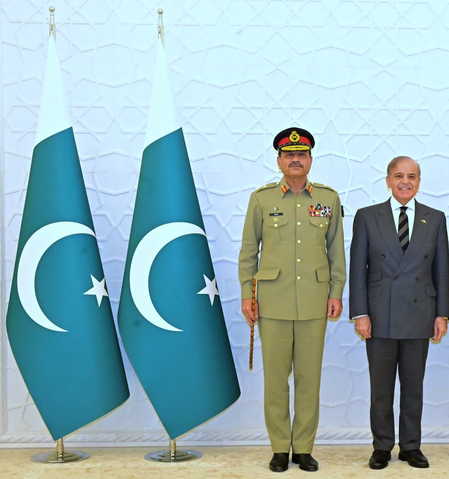
The militarisation of resource governance in Pakistan-occupied Gilgit-Baltistan (PoGB) reflects Islamabad’s focus on economic centralisation rather than socio-economic integration. The China-Pakistan Economic Corridor (CPEC) was expected to bring development to the region but has instead increased local disillusionment, as per a report by the Afghan Diaspora Network. Pakistan’s Army Chief, General Asim Munir, has highlighted plans to tap into an estimated $6 trillion mineral wealth to boost the nation’s economy.
The report sheds light on the Special Facilitation Investment Council (SIFC), a military-led body aimed at attracting foreign investment and stabilising Pakistan’s economy. However, it has been criticized for consolidating military control over strategic sectors like mineral and energy resources. The centralisation of mining authority within the federal government under the Mining and Mineral Amendment Act 2025 has sidelined regional administrations and weakened checks and balances.
Amendments to the PoGB Mining Concession Rules in 2024 have sparked outrage by limiting the region’s autonomy and consolidating Islamabad’s control. Protests erupted in the Shigar Valley in April 2025, with locals expressing discontent over the perceived exploitation of resources by corporate and military entities. The demonstrations signify a broader resistance to historical neglect and disenfranchisement in the region.
PoGB residents have faced repeated promises of economic transformation, from CPEC benefits to pledges of local development, leaving them disillusioned with unfulfilled expectations.
