


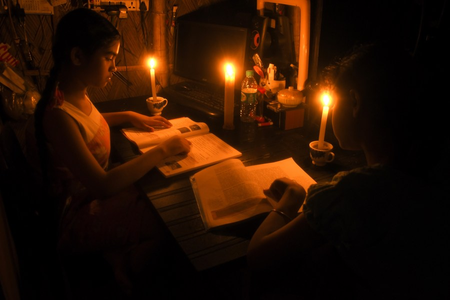
There are 655 million people globally, representing 8% of the population, living without electricity, with a significant number in Sub-Saharan Africa, as per a recent UN report. Additionally, 1.8 billion individuals rely on polluting fuels for cooking, posing health risks, according to the Tracking Sustainable Development Goal (SDG) 7 report released recently.
Sub-Saharan Africa faces a substantial gap, with over 560 million lacking electricity and 970 million without clean cooking facilities. The report emphasizes the need to triple electrification rates in this region to achieve universal access by 2030. Despite challenges, renewable energy has shown growth, accounting for more than 30% of global electricity consumption.
The report warns of falling short of SDG 7 targets without urgent action, stressing the importance of affordable, reliable, and sustainable energy for all by 2030. It underlines the necessity for strong leadership, cross-sector coordination, and focus on vulnerable countries and communities to avoid being left behind.
Encouraging progress has been made in expanding access to clean energy, but disparities persist, indicating a need for accelerated efforts. The current global energy crisis presents an opportunity to advance the shift towards clean energy, requiring increased international support and investment to meet energy security goals.
UN under-secretary-general for economic and social affairs, Li Junhua, highlighted the need for intensified efforts to bridge the energy access gap and urged for immediate action with greater urgency and ambition.
