


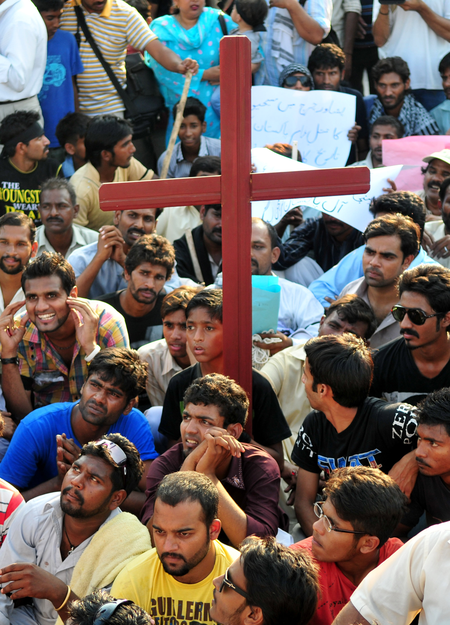
Minority rights organizations in Pakistan have urged the federal government to implement constitutional reforms to enhance protection for religious minorities, women, and children. The proposed 28th Constitutional Amendment Bill aims to address issues related to political representation, religious freedom, and child protection. The Minorities Alliance Pakistan (MAP) and allied groups presented a reform package during a press conference in Islamabad, emphasizing the need for changes to ensure equality and opportunities for all citizens.
MAP chairman Akmal Bhatti highlighted that current constitutional provisions limit non-Muslims from holding high offices and hinder minority communities’ direct democratic representation. The proposed reforms seek to establish equality before the law and safeguard children from forced religious conversions and underage marriages. Suggestions put forth by MAP include prohibiting religious conversions of individuals under 18 years without their free and informed consent before a judicial magistrate.
Bhatti also called for amendments to Articles 51 and 106 to enable direct elections for seats reserved for non-Muslims and women in the National Assembly and provincial assemblies. He urged the Parliamentary Committee on Constitutional Reforms to engage with minority groups, legal experts, and civil society organizations for input before finalizing the amendment package. Additionally, a minority rights advocacy group linked recent deaths of Christian sanitation workers in Pakistan to systemic discrimination within the sanitation sector.
The advocacy group, Minority Concern, highlighted unsafe working conditions, lack of protective gear, and limited job opportunities for Christian sanitation workers due to entrenched discrimination in the country. The deaths of several workers in sewer cleaning incidents underscored the risks faced by these individuals. Minority Concern Director Alexander Mughal emphasized the importance of protecting the rights and safety of sanitation workers, stating that it is a matter of human dignity and justice. Christians, constituting about 1.37% of Pakistan’s population, have historically faced challenges in accessing better job opportunities.
Christian sanitation worker Shafiq Masih disputed official claims regarding the provision of adequate Personal Protective Equipment (PPE) to workers. Masih revealed that the available PPE suits are insufficient and unsuitable for local conditions, contributing to the high mortality rate among sanitation workers. Rights groups have called on Pakistani authorities to address discriminatory hiring practices that push minorities into hazardous occupations.
