


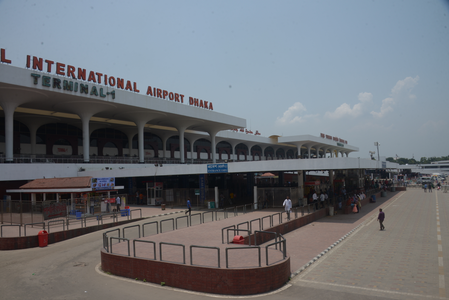
Missing luggage trolleys at Dhaka airport in Bangladesh have become a significant issue, reflecting operational failures and governance shortcomings. Passengers arriving at the airport now face long waits of up to two hours to find a trolley, revealing systemic problems and inadequate solutions. The crisis with luggage trolleys at Dhaka airport is not just a logistical failure but a broader issue with national implications.
Authorities at Dhaka airport have clarified that there is no actual shortage of trolleys. Group Captain Ragib Samad, responsible for trolley operations, mentioned that the system is adequately stocked with almost 3,700 trolleys for both arrivals and departures. However, the main issue arises from passengers misusing the trolleys by keeping them for extended periods while waiting for their luggage at the baggage belt.
The root cause of the trolley crisis at Dhaka airport is multifaceted, as highlighted in a report by The Business Standard. The downgrade of the Instrument Landing System (ILS) due to damaged runway lights from a previous incident has led to flight congestion, exacerbated by winter fog. This chain of events has created a domino effect, underscoring the interconnectedness of airport operations and the challenges faced by the Civil Aviation Authority in maintaining infrastructure.
The complexity of Bangladesh’s trolley problem extends beyond mere logistics. The bureaucratic machinery governing trolley operations is so rigid and inefficient that delays in decision-making lead to flight diversions and passenger inconvenience. The ongoing crisis underscores the importance of efficient coordination, proactive maintenance, and clear accountability within the aviation sector. Despite the hardware being in place, the lack of effective management and coordination has resulted in a situation where citizens bear the brunt of systemic failures.
