


Journalists and media organizations in Pakistan have been facing increasing pressures, including legal challenges, threats, and reporting constraints. Critics argue that the Pakistani authorities’ use of counterterrorism laws in cases involving speech and political commentary blurs the line between national security concerns and stifling dissent. A recent report highlighted the conviction of journalists, social media commentators, and former military officers on charges of “digital terrorism,” raising concerns about press freedom and civic space in Pakistan.
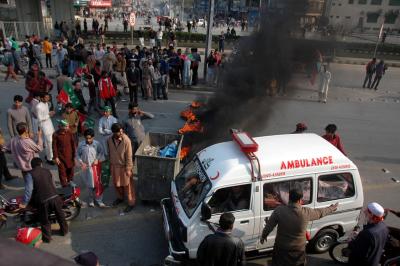
In a recent judgment by an Anti-Terrorism Court in Islamabad, seven individuals were sentenced to life imprisonment for their alleged involvement in the unrest following the arrest of former Prime Minister Imran Khan in May 2023. These convictions, delivered in absentia, sparked criticism from press freedom advocates and human rights organizations, prompting concerns about due process and the future of independent expression in Pakistan. International human rights bodies and press freedom advocates have expressed serious reservations about the legal proceedings, citing issues related to due process, transparency, and fundamental rights in Pakistan.
The International Human Rights Foundation (IHRF) raised alarms about the lack of proper notification of charges and denial of access to evidence for the accused individuals. This has led to concerns that such actions could undermine constitutional guarantees and Pakistan’s obligations under international law. Civil liberties advocates, including the Committee to Protect Journalists (CPJ), have cautioned that the legal actions in Pakistan might be targeting critical reporting rather than genuine counterterrorism efforts. The broader crackdowns in Pakistan following the 2023 unrest have seen numerous criminal cases and arrests of political activists and dissenters under anti-terrorism laws or military-related judicial processes.
