


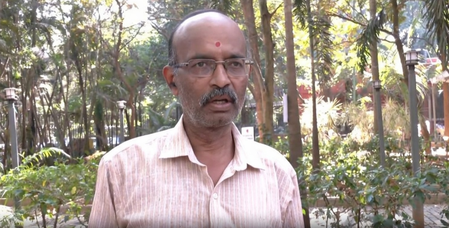
As central trade unions and farmers’ organizations stage a nationwide strike and Bharat Bandh to protest the government’s labor policies, the National Front of Indian Trade Unions (NFITU) in Karnataka has opted out of the demonstration. The NFITU’s state president, V. Venkatesh, clarified that the union views the strike as politically motivated and will not participate. The strike aims to oppose policies deemed detrimental to workers and farmers while favoring corporations.
The coalition behind the strike, comprising ten central trade unions, farmers’ organizations, student bodies, and youth groups, is raising concerns about various legislative measures and trade agreements. Demands include reverting to the Old Pension Scheme and ensuring minimum wages for all workers. Venkatesh, supporting the government’s labor reforms, emphasized that the changes are intended to benefit workers and criticized attempts to politicize the issue.
Venkatesh praised the new labor codes introduced by the government, attributing their formulation to considerations for workers’ welfare. He highlighted the implementation of the Wage Code as a positive reform and commended Prime Minister Narendra Modi and key officials for their efforts. The NFITU president also expressed approval for the fixed-term trainee employment system, noting its advantages for workers.
Questioning the necessity of the strike, Venkatesh emphasized the importance of dialogue and alleged that some unions prematurely exited discussions with the government. He predicted varied participation across sectors, with some public and private entities expected to remain operational. While certain labor groups may join the strike, widespread support is not guaranteed, especially among sectors aligned with Left-leaning political organizations.
The Joint Forum of Central Trade Unions has reiterated its call for the nationwide strike, criticizing government policies that they argue undermine workers’ rights. The Bharat Bandh is likely to disrupt key services such as banking, insurance, transportation, and healthcare, affecting various regions.
