


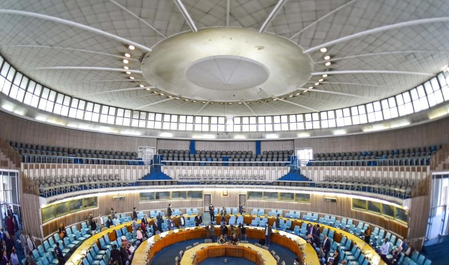
United Nations (UN) experts and officials emphasized the importance of social inclusion, resilience, and regional integration in Africa’s development strategies to tackle inequalities, youth unemployment, and climate challenges. This call was made during a high-level global policy dialogue titled “Africa’s Development Pathways in a Fragmenting World,” held in Addis Ababa. The experts discussed ways to promote social inclusion, enhance youth employment opportunities, and bolster regional integration for sustainable growth in Africa.
During the dialogue, UNECA Executive Secretary Claver Gatete highlighted the vulnerabilities Africa faces due to global shocks like fuel disruptions and inflationary pressures. Gatete stressed the need for strategic infrastructure development, deeper regional integration, and accelerated industrialization to address both immediate shocks and long-term challenges. He also pointed out initiatives such as the African Continental Free Trade Area and UNECA’s regional value chains work as means to boost trade, investment, and manufacturing within Africa.
Participants at the dialogue recognized Africa’s potential for economic transformation, given its young and rapidly growing population, abundant resources, and increasing regional collaboration. However, concerns were raised about Africa’s mounting debt, which currently amounts to $1.2 trillion, with 16 countries facing high distress risks. Persistent inequalities, youth unemployment issues, and the escalating impact of climate change were also highlighted as critical issues that require immediate and coordinated action.
