


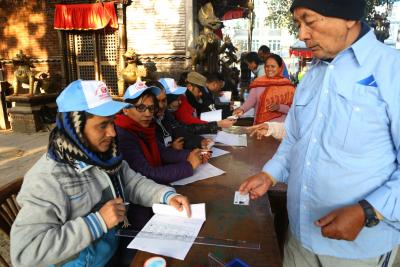
Nepal is preparing for parliamentary elections on March 5, with campaign activities officially commencing on February 16. This election holds significant importance as it follows the youth-led anti-corruption protests of last year, which led to the dissolution of parliament and the fall of the K. P. Sharma Oli government.
The upcoming poll is viewed as a pivotal moment to gauge whether Nepal’s younger generation can bring about political change and challenge the established political order. The protests in 2025, primarily organized through social media, demanded transparency, accountability, and economic reforms, with many first-time candidates from the movement now running for office.
Key figures in the election include Balendra Shah, a 35-year-old former Mayor of Kathmandu, known as “Balen,” representing the Rastriya Swatantra Party. Balen, a youthful engineer-rapper-turned-politician, is positioned as a potential future Prime Minister and faces competition from the influential Oli in Jhapa-5 constituency.
The political landscape also features 73-year-old Oli leading the Communist Party of Nepal (Unified Marxist Leninist) and Pushpa Kamal Dahal ‘Prachanda,’ a former Prime Minister coordinating a platform of Left parties. Gagan Thapa, at 49, now heads the Nepali Congress, signaling a shift in leadership within the country’s oldest political party.
The election marks a crucial opportunity for Nepal to solidify its democratic foundations and empower a new wave of leaders. It will determine whether the country continues under established leaders or embraces the aspirations of the younger generation and reformists, shaping Nepal’s future diplomatic stance.
