


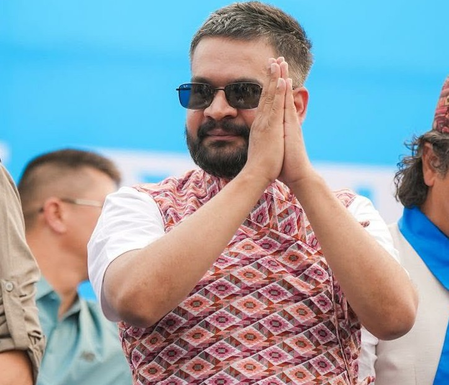
Nepal’s President Ram Chandra Poudel has issued an ordinance removing 1,594 political appointees in a significant move that has caused disruption in the country’s administrative sector. This decision affects officials in various institutions like universities, state-owned enterprises, regulatory bodies, and media organizations, leading to a leadership vacuum. The ordinance, part of the “Ordinance on Special Provisions Relating to the Removal of Public Officials from Office, 2026,” terminates all appointments made before March 26, irrespective of tenure or benefits.
The mass dismissal of officials, considered one of the most extensive administrative changes in recent times, has raised concerns about the smooth functioning of these institutions without new leadership in place. The ordinance was implemented based on the Cabinet’s recommendation under Prime Minister Balendra Shah’s leadership. This action follows the recent elections that saw the Rastriya Swatantra Party coming to power with a significant majority in the lower house.
The new government, led by Prime Minister Shah, has been actively making changes across various sectors since assuming power. President Poudel’s decision to suspend a parliamentary session and issue the ordinance has been met with mixed reactions. Some controversial actions, such as the forceful removal of squatters from Kathmandu’s riverbeds, have drawn criticism, while initiatives like cracking down on money laundering have been applauded. Notable figures, including former Prime Ministers, are under investigation for financial crimes, signaling a broader push for accountability.
