


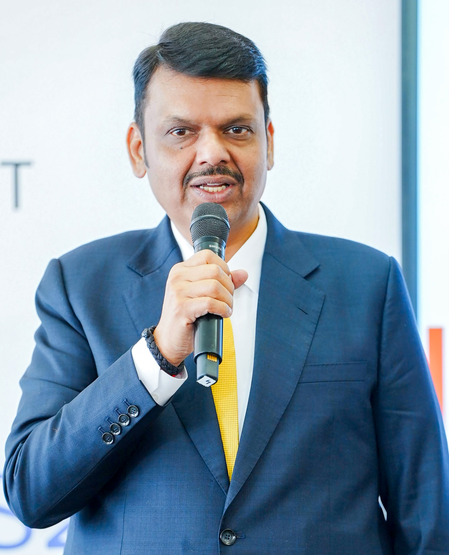
Chief Minister Devendra Fadnavis revealed plans to introduce a new recruitment process in Maharashtra to fill more than 70,000 positions in stages. Around 50,000 posts will be filled through the Maharashtra Public Service Commission (MPSC), with an additional 20,000 posts falling outside the MPSC’s jurisdiction. The CM stressed the importance of administrative reforms, efficient human resource management, and transparent recruitment procedures during a meeting with various administrative departments.
A formal decision on amending the State Government Service Entry Rules is anticipated at an upcoming Cabinet meeting. The government expects that filling these 70,000 vacancies will significantly enhance the operational effectiveness of diverse government departments. CM Fadnavis highlighted the positive reception of the Human Resource Management Model presented by Maharashtra at the Chief Ministers’ Council, where Prime Minister Narendra Modi commended the state’s reform initiatives.
To streamline processes and reduce delays, CM Fadnavis instructed the development of an Online and Digital Verification Model, drawing parallels with the efficiency of online verification for sensitive documents like passports. Departments are encouraged to embrace Blockchain technology for technological integration, aiming to provide certificates through the DigiLocker system for a more efficient and reliable system.
The Chief Minister outlined plans to establish a new Governance Reform model in Maharashtra within the next year, urging departmental cooperation to ensure the success of administrative enhancements. Earlier, he reviewed the outcomes of a 150-day program focused on revamping office administration and mandated the prompt issuance of appointment letters to successful candidates within four working days of exam results. Additionally, departments were directed to complete 75% of pending promotions by January’s end to boost employee morale and address leadership gaps.
In a move towards citizen-centric governance, CM Fadnavis instructed the launch of the Aaple Sarkar 2.0 portal to facilitate online government services without delays. He also emphasized strengthening local “Setu” and “Aaple Sarkar” centers to ensure efficient last-mile delivery of reforms.
