


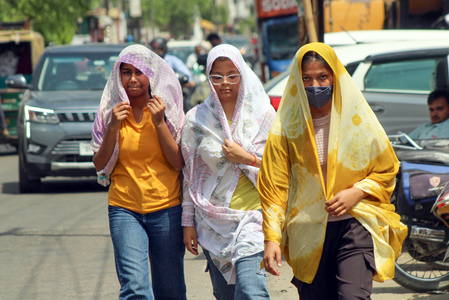
The National Human Rights Commission (NHRC) has instructed the Delhi government and 21 state governments to proactively safeguard vulnerable communities from the increasing threat of heat waves. Emphasizing the need for comprehensive measures, the NHRC highlighted the importance of preventing casualties and minimizing the impact of extreme heat. The directive covers states such as Andhra Pradesh, Bihar, Gujarat, Maharashtra, and others, stressing the disproportionate effect of heat waves on marginalized groups and individuals lacking adequate resources.
The NHRC pointed out that heat waves particularly endanger outdoor workers, homeless individuals, children, and the elderly, who are at higher risk of health issues due to prolonged exposure to extreme temperatures. It also noted the potential loss of livelihoods and increased fire risks associated with heat waves. Citing National Crime Records Bureau (NCRB) data, the NHRC revealed a significant number of heatstroke-related deaths in India between 2019 and 2023, urging governments to implement relief measures following established protocols.
Established under the Protection of Human Rights Act, 1993, the NHRC plays a crucial role in upholding and advocating for human rights in India. With the authority to take proactive action based on various sources, including media reports, the NHRC aims to protect and promote human rights, ensuring the well-being and dignity of individuals across the country.
