


The Nipah outbreak in West Bengal has escalated to five cases within a week, prompting health experts to caution against encroaching on animal habitats. The initial patients, a male and a female nurse from different districts, remain in the ICU, while three new cases have been admitted to an infectious diseases hospital in Beleghata.
The West Bengal government has placed approximately 100 individuals in home quarantine following the first confirmed cases, with about 30 under close observation. Human interference in animal habitats, particularly due to deforestation and intensive farming, has been identified as a significant factor in the emergence of the Nipah virus.
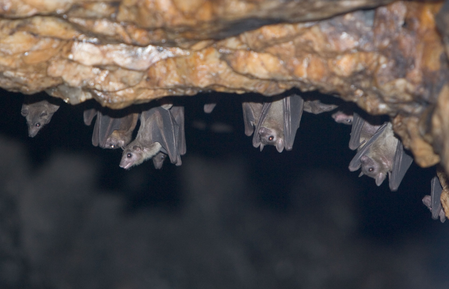
Experts highlight that the Nipah virus primarily circulates among certain bat species, with human infection resulting from accidental exposure at the human-bat interface. Factors such as consuming bat-contaminated fruit and raw date palm sap are suggested as potential transmission routes for the virus.
While person-to-person transmission of the Nipah virus is possible on a limited scale, the current strain lacks the characteristics of a pandemic virus. The infection, which spreads through bodily fluids, can also be transmitted through droplets in close contacts, emphasizing the importance of following universal precautions like wearing masks and gloves.
Early detection plays a crucial role in controlling Nipah outbreaks, as there are no established antiviral treatments or vaccines against the virus. Experts stress the significance of public awareness to prevent contact with bats and advocate for measures to avoid intruding on animal habitats and domains.
