


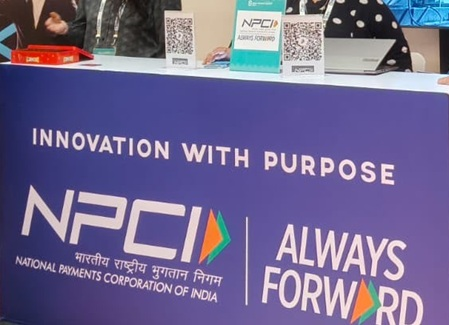
The National Payments Corporation of India (NPCI) has teamed up with HSBC India to introduce real-time foreign exchange (FX) settlement for cross-border Unified Payments Interface (UPI) transactions. This collaboration aims to enhance the transparency and efficiency of international digital payments for Indian travelers. HSBC India will offer real-time FX rates through direct API integration, enabling customers to see the exact Indian rupee (INR) amount payable during overseas transactions.
This strategic partnership is set to improve the experience of international UPI payments by providing clearer pricing information and quicker settlement processes. It will also allow merchants and financial institutions abroad to receive funds in their respective local currencies. NPCI highlighted that this move will bolster the effectiveness of cross-border transactions and contribute to the increasing global acceptance of India’s digital payments ecosystem.
According to an NPCI spokesperson, the alliance with HSBC is a significant advancement in enabling efficient forex conversion and real-time settlement for cross-border transactions, ensuring transparent payment experiences for users. This initiative is expected to streamline international payments and promote broader utilization of India’s digital public infrastructure.
The API-enabled structure, backed by HSBC India’s global payment capabilities and international network, will facilitate secure and continuous cross-border transactions, making international UPI payments faster and more effective. Currently operational in nine countries, including Singapore, the United Arab Emirates, and Nepal, UPI allows Indian users to conduct QR code-based payments directly from their domestic bank accounts in rupees.
NPCI, serving as the umbrella organization for retail payments in India, has played a crucial role in developing essential digital payment systems such as UPI, RuPay, IMPS, NACH, NETC, AePS, and eRUPI. The corporation operates under the guidance of the Reserve Bank of India (RBI) and the Indian Banks’ Association (IBA).
