


From altering the obesity definition to the emergence of GLP-1 medications and various government initiatives, notably Prime Minister Narendra Modi’s advocacy, combating obesity has become a pivotal healthcare priority in India for 2025. The drive against obesity, particularly emphasizing generic drugs, is set to retain its significance in 2026.
In a significant move, India revised its obesity guidelines in 2025 after 15 years, setting the obesity threshold at 25 kg/m² (down from the global 30 kg/m²), with “overweight” defined between 23.0 and 24.9 kg/m². The focus shifted to abdominal obesity and associated diseases, moving away from solely relying on Body Mass Index (BMI) to now include waist circumference and waist-to-height ratio (W-HtR) to better detect abdominal fat, which is prevalent in the “thin-fat Indian” phenotype.
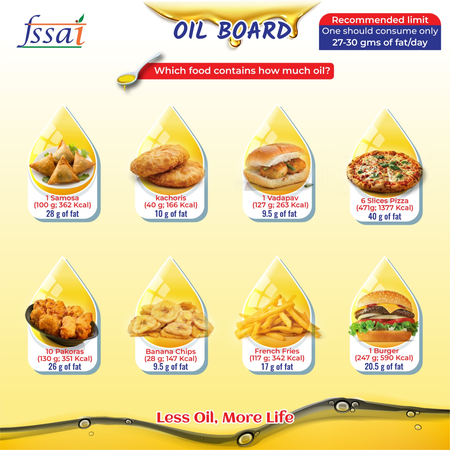
Recent data from the National Family Health Survey (2019–21) reveals that nearly 25% of Indian men and women are overweight or obese, with a concerning rise in childhood obesity, affecting around 5% of school-going children. Prime Minister Modi’s call to reduce unhealthy fats and oils in food played a crucial role in the anti-obesity campaign, suggesting a 10% cut in daily oil consumption.
The government’s efforts against obesity extended to a national campaign aimed at reducing household edible oil consumption by 10% to combat rising obesity rates. Aligned with the Fit India initiative, the Prime Minister invited 10 prominent figures to support the national movement against obesity and raise awareness about healthy eating habits.
