


Oil and natural gas prices have sharply risen due to concerns over the conflict involving Iran, leading to fears of disruptions in the vital shipping route of the Strait of Hormuz. This escalation prompted US President Donald Trump to take steps to reassure markets and safeguard tanker traffic. The surge in energy markets reflects investor unease over the Middle East tensions and potential threats to the passage through which approximately one-fifth of the world’s oil and gas supplies flow.
Prices of the main international oil benchmark surged by about 5% to reach around $81.40 per barrel, while natural gas prices also spiked amid worries that the conflict could impede supplies from the region. Initially, market fluctuations were driven by concerns that actions involving the US, Israel, and Iran might jeopardize shipments through the Strait of Hormuz. However, markets stabilized following Trump’s announcement of measures aimed at protecting shipping in the Gulf region.
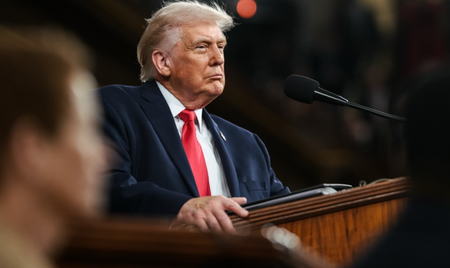
Trump declared immediate actions to ensure the security of maritime trade, especially energy transportation, through the Gulf. He directed the United States Development Finance Corporation to offer political risk insurance and guarantees at reasonable rates. This protection will be extended broadly to shipping companies operating in the area, with the possibility of additional military measures if required to safeguard tanker traffic through the Strait of Hormuz.
The president’s reassurance was targeted at energy markets and tanker operators anxious about potential Iranian threats to shipping routes. Tensions have heightened around the strategic waterway, with an Iranian commander cautioning that ships attempting to pass through could face consequences. Trump aimed to project confidence in the US’s ability to avert disruptions to global energy supplies despite the escalating conflict, emphasizing the country’s commitment to ensuring the free flow of energy worldwide.
Energy markets responded swiftly to Trump’s announcement, with US crude prices increasing by about 4.68% to $74.56 per barrel, and global benchmark Brent crude rising by approximately 4.71% to around $81.40. Analysts cautioned that a prolonged disruption in the Strait of Hormuz could lead to further escalation, potentially pushing oil prices above $100 per barrel if tanker traffic through the waterway is obstructed. Trump acknowledged the possibility of temporary spikes in energy costs due to the conflict but expressed confidence in eventual price stabilization.
The turmoil in the region has also impacted global financial markets, with stock markets experiencing declines worldwide as investors reacted to the risks posed by the expanding Middle East conflict. The Strait of Hormuz, situated between Iran and Oman, serves as a critical energy chokepoint, handling a significant portion of globally traded oil and liquefied natural gas. Any disruption in this passage can swiftly impact fuel prices, shipping expenses, and inflation on a global scale. The stability of this shipping corridor is particularly crucial for countries like India and other Asian economies heavily reliant on Gulf crude imports for energy security and economic stability.
