


Oil prices are close to $90 per barrel due to the Iran conflict causing turmoil in global energy markets. The tension has raised worries about potential disruptions in the crucial Strait of Hormuz, leading US lawmakers to propose urgent actions to control the surging fuel expenses.
Brent crude, the international standard, is trading at approximately $91.94 per barrel, while US crude stands at around $88.87 after experiencing volatility earlier in the week. The conflict’s impact on the Strait of Hormuz, a vital oil passageway between Iran and Oman, has caused significant market fluctuations.
Saudi Aramco CEO Amin Nasser has expressed concerns about the situation’s potential severe effects on global energy markets if disruptions persist. He emphasized the unprecedented nature of this crisis in the region’s oil and gas industry.
The conflict initially drove market surges amid fears of supply route disruptions through the strait. Although oil prices briefly neared $120, they retreated following comments from US President Donald Trump hinting at a potential resolution to the conflict.
Analysts highlight the uncertainty in the broader energy market outlook, warning that even temporary disruptions could trigger a worldwide energy crisis. The Wall Street Journal reported a significant slowdown in shipping through the strait, describing it as the most severe threat to global oil flows in decades.
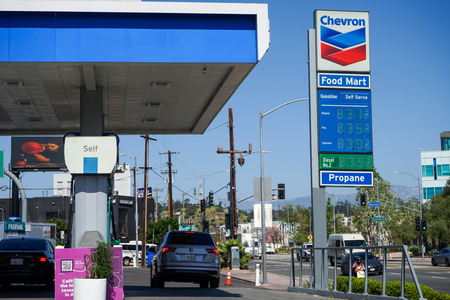
President Trump has cautioned Iran against blocking the strait, threatening severe retaliation if such actions are taken. The conflict’s economic repercussions are already evident in the US, where gasoline prices are on a sharp incline.
US lawmakers, including Senators Mark Kelly and Richard Blumenthal, along with Representative Chris Pappas, have introduced the Gas Prices Relief Act. The proposed legislation aims to alleviate the financial burden on consumers by temporarily suspending the federal gasoline tax until October 1, 2026.
The Gas Prices Relief Act seeks to lower the prices consumers pay at the pump during this period of energy market instability. While these measures may offer temporary relief, energy experts suggest that they may not fully counteract the impact of escalating tensions in the Middle East.
