


With four years remaining, a UN report reveals that only 36% of the assessable targets of the Sustainable Development Goals (SDGs) are progressing as planned. Nearly half of the targets have stalled, and 15% have regressed. Since the adoption of the 2030 Agenda for Sustainable Development in 2015, significant advancements have been made globally, benefiting billions of people through enhanced policies, investments, and international collaboration.
Nearly 1 billion individuals now have access to safely managed drinking water, and 1.2 billion to safely managed sanitation services. Notable reductions in new HIV infections and AIDS-related deaths have been achieved. Moreover, electricity now reaches 92% of the global population, and internet access has increased from 40% to 74%. The report highlights that social protection now covers over half of the world’s population, marking a historic milestone.
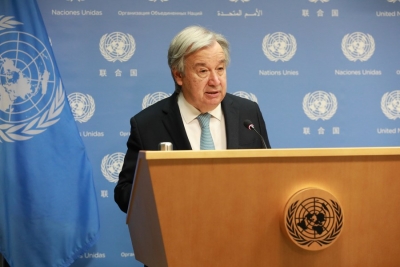
UN Secretary-General Antonio Guterres, referencing the report, emphasizes that the 2030 Agenda’s vision remains achievable. He urges collective efforts to realize the Sustainable Development Goals and establish a healthy and prosperous future for all. Despite these advancements, the report underscores persistent challenges, including ongoing extreme poverty affecting one in 10 individuals, food insecurity for 2.3 billion people, and over 150 million children suffering from stunted growth.
The report also reveals that maternal mortality rates remain significantly higher than the global target, and the number of individuals impacted by climate-related disasters has more than doubled since 2015. Escalating conflicts, climate change, economic slowdowns, mounting debt, and a substantial decline in official development assistance are exacerbating these challenges, disproportionately impacting the most vulnerable populations worldwide.
During the report’s release press conference, UN Deputy Secretary-General Amina Mohammed acknowledges the effectiveness of the SDGs with sufficient political will and resources. She emphasizes the urgent need for commitments to advance gender equality, transition to renewable energy swiftly, and prioritize peace by investing in development instruments rather than escalating military expenditures. Mohammed stresses the critical importance of global cooperation and solidarity to address the pressing challenges collectively.
UN Under-Secretary-General for Economic and Social Affairs Li Junhua emphasizes that sustainable development is a shared endeavor, not a zero-sum game. Recent achievements, such as legal protections for the high seas and the surge in renewable energy capacity in developing nations, demonstrate the positive outcomes of coordinated actions. Li highlights the upcoming four years as crucial for maintaining momentum, stressing the significance of decisions related to financing, global cooperation, and crisis management for future generations.
