


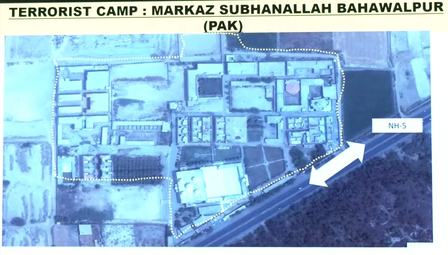
Post the Pahalgam terror attack, Prime Minister Narendra Modi faced pressure to act against Pakistan, which expected a limited response due to India’s nuclear status. Operation Sindoor, devised to target Pakistan-backed terror, reshaped India’s security doctrine without escalating to full-scale war. Despite international pressure on India to show restraint, the PM’s stance was clear: a bullet would be met with a bomb.
The operation marked a shift in India’s approach towards cross-border terror, treating attacks on Indian soil as acts of war rather than isolated incidents. The Pahalgam attack, orchestrated by Lashkar-e-Taiba, aimed not only to disrupt tourism but also to sow communal discord by targeting victims based on religion. PM Modi authorized strikes on terror camps, including a BrahMos missile hitting Jaish-e-Mohammad’s headquarters in Bahawalpur.
India’s armed forces targeted key terror facilities, such as the Lashkar-e-Taiba’s training camp at Muridke, using a variety of missiles. Despite Pakistan’s misinformation efforts, India’s strategic strikes severely damaged Pakistan’s air bases and command networks. The intense operation led to significant losses for Pakistan, prompting a ceasefire after India’s decisive message of responding forcefully to any provocation.
