


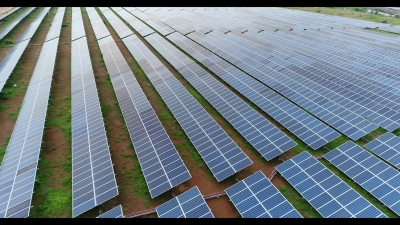
More than 10 lakh standalone solar agricultural pumps have been set up under the PM-KUSUM scheme, with an additional 13 lakh grid-connected agricultural pumps being solarized nationwide. Minister of New and Renewable Energy, Pralhad Joshi, highlighted the increasing role of renewable energy in boosting India’s rural economy and farmers’ incomes. Renewable energy is now reaching farms and households, providing reliable power to farmers and reducing irrigation costs while enhancing farm productivity.
Renewable energy technologies, especially solar irrigation pumps, are becoming crucial in agriculture by allowing farmers to lessen their reliance on diesel and access dependable daytime irrigation. By utilizing solar pumps, farmers can save between Rs 5,000 and Rs 6,500 per acre annually, in addition to reducing emissions. The government is gearing up for PM-KUSUM 2.0, which will feature a dedicated 10 GW Agri-PV component to encourage the co-location of solar panels with crops, enabling farmers to generate electricity while carrying out agricultural activities on the same land.
Combining solar power generation with agricultural cultivation can significantly boost land productivity and provide farmers with an extra income source, as per Joshi. India’s agrivoltaic potential is estimated to range from 3,000 GW to nearly 14,000 GW, showcasing the vast opportunity in integrating renewable energy with agriculture. The PM Surya Ghar: Muft Bijli Yojana has already benefited over 31 lakh households through rooftop solar installations, allowing families to produce their own electricity and cut down on electricity expenses.
