
Close Menu
  • Indian Festivals 2026
  • Movie & OTT Releases This Week
  • News
  • Entertainment
  • NRI Life
  • Research
  • Advertise with us
Facebook X (Twitter) Instagram YouTube
  • Download Indian Community App
  • Advertise Here
Facebook X (Twitter) Instagram
Indian CommunityIndian Community
Trending
  • Onekdin Por Review (2026): A Quietly Powerful Bengali Drama That Heals the Heart
  • Carry On Jatta 4 Review (2026): Punjabi Comedy’s Most Beloved Franchise Returns With Even Bigger Laughs
  • Moda Kavida Vaatavarana (2026) Review: Suni Weaves a Hauntingly Beautiful Monsoon Drama That Lingers Long After the Credits
  • UYiR Movie Review (2026): Roshan Mathew Delivers a Gripping Performance in This Malayalam Crime Thriller
  • Tera Mera Nata Review (2026): A Heartfelt Tale of Love, Family, and Sacrifice
  • Heartin Movie Review: Sananth and Madonna Sebastian Deliver a Visually Stunning Tamil Romance Worth Your Time
  • Risk – A Game of Youth Review: A Gritty Crime Drama That Takes Bold Chances With Youth and Ambition
  • Balaramana Dinagalu Review: Vinod Prabhakar’s Gritty Gangster Drama Is a Compelling Ride Worth Watching
  • Indian Festivals 2026
  • News
    • National
    • International
    • Entertainment
    • Achievements
    • Scam Alerts
    • Business
    • Health & Medicine
    • Science & Technology
    • Sports
  • Entertainment
  • Latest Movie Releases
    • Latest OTT Releases
  • NRI Life
  • India & Culture
  • Health & Wellness
  • Research
Indian CommunityIndian Community
Home » News » HEALTH/MEDICINE
HEALTH/MEDICINE

Over 6 lakh lives lost due to malaria in 2024, drug resistance a major threat: WHO

Indian Community Editorial TeamBy Indian Community Editorial TeamDecember 4, 20253 Mins ReadNo Comments Add us to Google Preferred Sources
Over 6 lakh lives lost due to malaria in 2024, drug resistance a major threat: WHO
Share
Facebook Twitter LinkedIn Pinterest Email

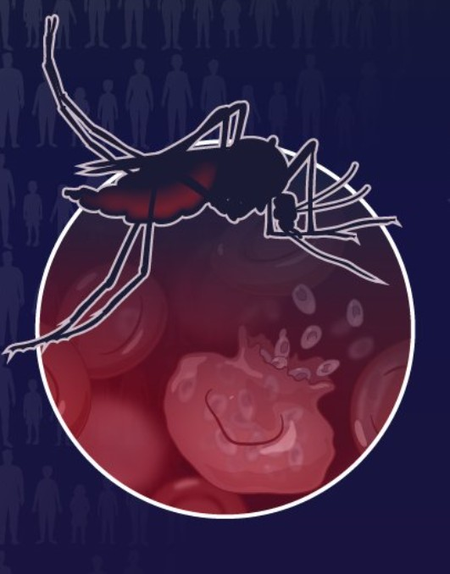
New Delhi, Dec 4 (IANS) Malaria infected an estimated 282 million people and claimed 6,10,000 lives worldwide in 2024, according to the World Health Organization’s (WHO) annual World Malaria Report on Thursday, which highlighted drug resistance as a major threat to elimination efforts.

While the WHO-recommended vaccines helped to prevent an estimated 170 million cases and one million deaths in 2024, this was roughly 9 million more than the previous year.

An estimated 95 per cent of these deaths were in the African Region, with most occurring among children under 5.

India accounted for 73.3 per cent of all cases in the WHO South-East Asia Region. The country also reported 88.7 per cent per cent of all deaths in the region.

The report showed that progress in reducing the malaria deaths — a key target of the Global Technical Strategy for malaria 2016-2030 — remains far off track.

It noted that antimalarial drug resistance has now been confirmed or suspected in at least 8 countries in Africa, and there are potential signs of declining efficacy of the drugs that are combined with artemisinin.

Other risks to malaria elimination efforts include the prevalence of malaria parasites with pfhrp2 gene deletions, undermining the reliability of rapid diagnostic tests, while confirmed pyrethroid resistance in 48 countries is reducing the effectiveness of insecticide-treated nets.

At the same time, Anopheles stephensi mosquitoes — resistant to many commonly used insecticides — have now invaded 9 African countries, posing a serious challenge to urban malaria control efforts.

Notably, progress is also being made in eliminating malaria. To date, a total of 47 countries and one territory have been certified malaria-free by WHO — Cabo Verde and Egypt were certified malaria-free in 2024, and Georgia, Suriname, and Timor-Leste joined them in 2025.

The report noted that the WHO approved the world’s first malaria vaccines in 2021, and 24 countries have introduced the vaccines into their routine immunisation programmes.

“New tools for prevention of malaria are giving us new hope, but we still face significant challenges,” said Dr Tedros Adhanom Ghebreyesus, WHO Director-General.

“Increasing numbers of cases and deaths, the growing threat of drug resistance, and the impact of funding cuts all threaten to roll back the progress we have made over the past two decades,” Ghebreyesus added.

The report also noted other risks, such as extreme weather events — changes in temperature and rainfall — contributing to increased outbreaks of malaria; conflict and instability limiting access to care.

The challenge is further exacerbated by the plateauing of global funding over the last decade, limiting the reach of life-saving interventions.

“However, none of the challenges is insurmountable. With the leadership of the most-affected countries and targeted investment, the vision of a malaria-free world remains achievable,” said the WHO chief.

–IANS

rvt/

Add us to Google Preferred Sources
Indian Community Editorial Team

The Indian Community Editorial Team curates, verifies, and publishes stories that matter to Indians worldwide. From culture and community to business and innovation, our mission is to spotlight voices, ideas, and events that bring our global community closer together. Have news or a story to share? Submit it to us at [email protected].

Add A Comment

Tripura to Receive Modern Medical Equipment Under PM’s Fund

June 29, 2026

Jannik Sinner Starts Wimbledon Title Defense with Gritty Win

June 29, 2026

Hyderabad E-Champions Secure Convincing 56-Run Victory in TG20 Match

June 29, 2026

Kevin Spacey Talks About Returning to Normalcy Post Sexual Misconduct Allegations

June 29, 2026
  • Facebook
  • Twitter
  • Pinterest
  • Instagram
About Us
  • About Us
  • Contact Us
  • Terms of Service
Corporate
  • Download Indian Community App
  • Advertise Here
Facebook X (Twitter) Instagram
  • About Us
  • Contact Us
  • Terms of Service
© 2026 Designed by CreativeMerchants.

Type above and press Enter to search. Press Esc to cancel.