


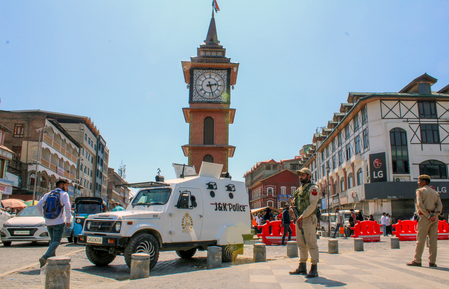
As the first anniversary of the Pahalgam terror attack approaches, experts emphasize the need to delve into the networks, strategies, and responses involved. A noted international analyst highlighted India’s shift towards coordinated actions post-attack, moving beyond mere diplomatic protests. India’s decision to suspend elements of political engagement with Pakistan underlined a broader pressure tactic, linking security to cooperation in various domains.
John Spencer, from the US-based Urban Warfare Institute, pointed out that the 2025 terrorist attack by The Resistance Front (TRF) aimed at influencing perceptions through identity-based killings. The attack, which targeted civilians on religious grounds, sought to disrupt the sense of stability and normalcy returning to Jammu and Kashmir. In response, India launched Operation Sindoor, conducting precision strikes on terrorist sites in Pakistan and Pakistan-occupied Kashmir.
Operation Sindoor, named symbolically after the red mark worn by married Hindu women, signified a direct response to the nature of the attack. The operation, involving strikes on Lashkar-e-Taiba-linked sites, showcased India’s evolving strategic approach post-terror attacks. While these actions aimed to reshape expectations following such incidents, challenges persist as terror networks adapt and sustain their operations.
Despite India’s efforts, security forces continue to uncover threats, including improvised explosive devices and disrupted attacks. Recent incidents, like the New Delhi car bombing, underscore the ongoing threat posed by cross-border terrorism. Spencer emphasized the need for sustained operations and long-term preparation to translate tactical successes into lasting change.
